Terry Lee Brown Jr.
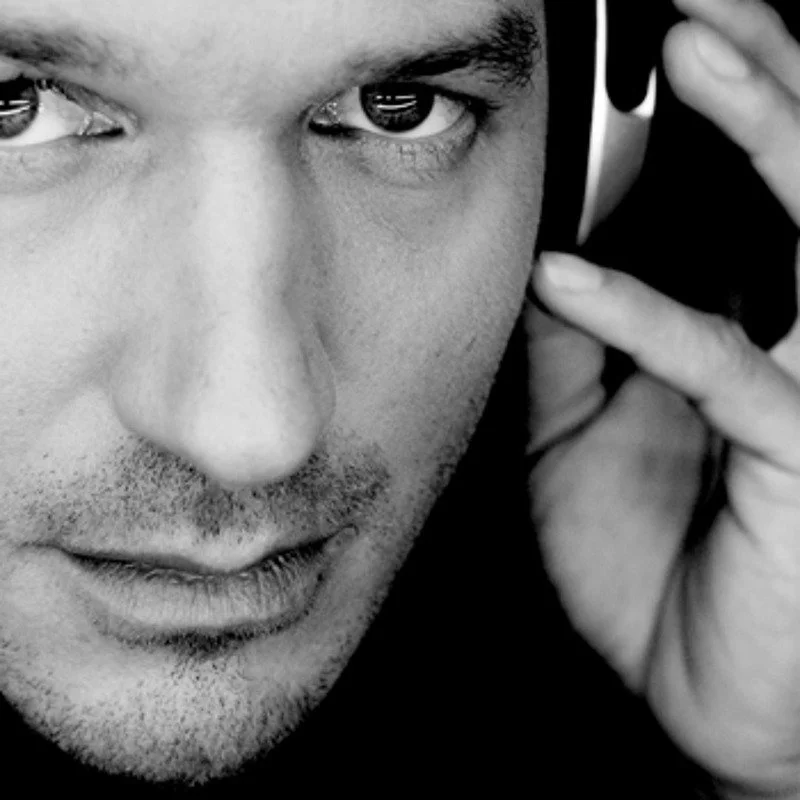
When Terry Lee Brown Jr.'s first albums began selling in America and Britain, plenty of listeners pictured a soulful producer from Chicago or Detroit. The joke, which his own biography enjoys telling, is that Mr. Brown was actually German. Behind the name is Norman Feller from Darmstadt, and behind the joke is one of the producers who did most to shape tech house as a sound in its own right.
Feller started DJing in 1989, and he has said he began with rave and hard trance before switching to house, won over by the parties around his home town near Frankfurt, including Ricardo Villalobos's early events. He spent the early '90s releasing tracks under a string of pseudonyms. In 1994 he decided to commit himself entirely to music, and the following year he created Terry Lee Brown Jr., a house-focused alter ego that gave him room to build something personal. He found a home for it at the young label Plastic City, and his bio stresses how loyal he has stayed to it ever since.
The breakthrough came quickly. His 1996 debut album, Brother For Real, is widely treated as a landmark of early tech house, a record that folded jungle, trance and even easy listening into a house framework without losing the groove. His bio notes that Muzik named it one of the top ten albums of its year, and that Marshall Jefferson summed it up in three words: "He is God." What his bio prizes most is that his records proved house could work just as well in a comfortable armchair as on the floor, an idea that put him ahead of the curve as home listening and the club began to blur.
That double life, functional enough for DJs and musical enough for living rooms, is the heart of his appeal. His productions tend to be patient and warm, built on rolling bass, dubbed-out chords and a sense of space, and they have aged well because they never relied on gimmicks. He has kept the alias active for decades, which is unusual in a scene that burns through names, and the music has stayed recognisably his throughout.
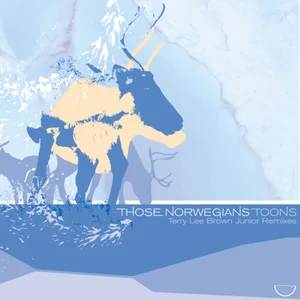
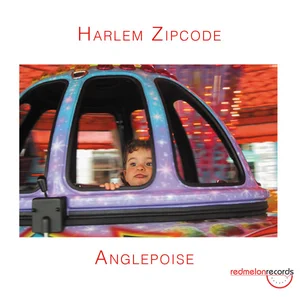
His Red Melon connection runs through remixes. He reworked Those Norwegians' "Toons" for the label, delivering both a full remix and a shorter Terry's Dub that pull the track's playful original into hypnotic dub-house. He also remixed Harlem Zip Code's "Anglepoise," featuring Corrina Joseph, for Red Melon. Both are classic examples of his touch: the source material stays recognisable, but the mood deepens, the bass rolls further forward and the whole thing settles into a groove that could run all night.
Those remixes are a neat illustration of how freely ideas travelled between Germany and San Francisco at the turn of the millennium, when producers on both sides of the Atlantic were working toward the same deep, dubby, funky version of house.
For a label that built its identity on funky, dubby tech house, having one of the genre's architects on its records was a mark of the company Red Melon kept, and those remixes still sound right at home in a deep set today.